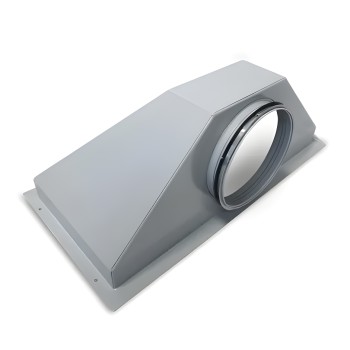
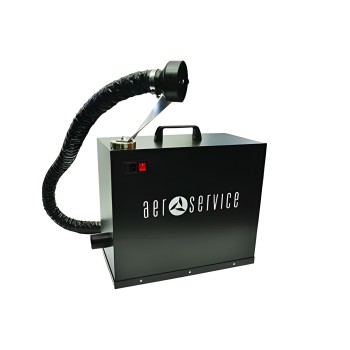
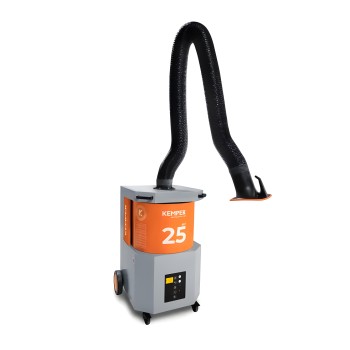
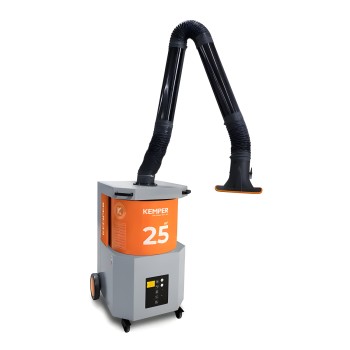
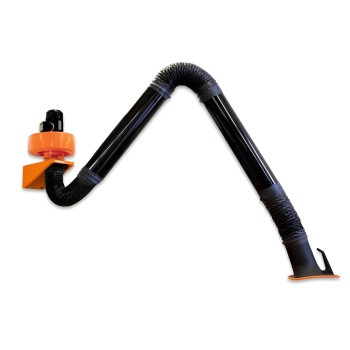
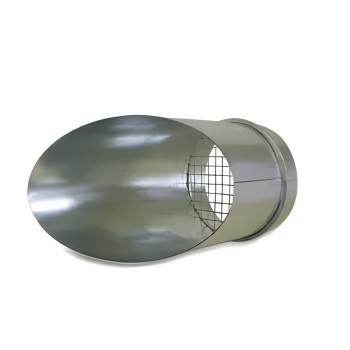
The welding fume extractor captures and filters the fumes produced by welding, directly at the source. Protecting the welder's health and the air quality of the workshop, the fume extractor is now a reference piece of equipment for any workstation. Discover our selection of welding fume extraction solutions.
Why extract welding fumes?
Welding fumes contain fine particles and harmful compounds that must not be inhaled, especially during prolonged use or in enclosed spaces. The welding fume extractor draws these fumes in as close as possible to the arc, before they reach the operator's respiratory tract. It is the most effective solution, as it acts at the source rather than simply diluting the ambient air.
Source capture
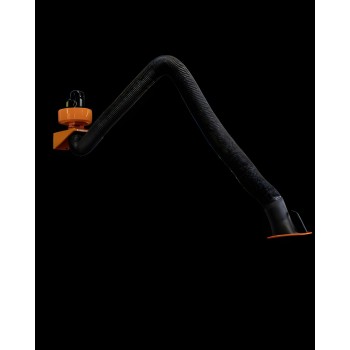
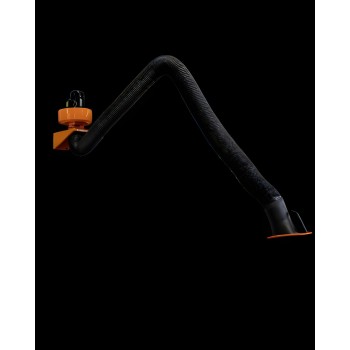
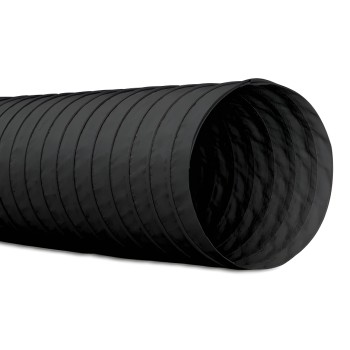
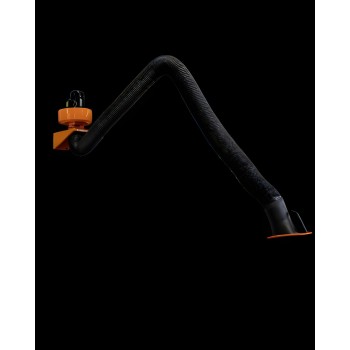
The effectiveness of a welding fume extractor relies on source capture. An articulated arm fitted with a hood is positioned just above the welding zone and draws in the fumes as soon as they form. When properly adjusted, this device captures the majority of pollutants before they disperse, making it the most effective method for cleaning up the workstation.
Filtration and air recycling
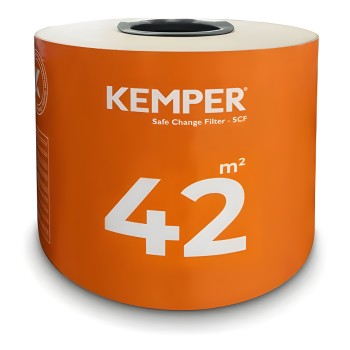
Once extracted, the fumes pass through a filter system that traps the particles. Depending on the model, the filtered air is either discharged outside or recycled back into the workshop. The quality and class of the filters determine the effectiveness of the welding fume extraction: suitable filters retain the finest particles. These filters are consumables that need to be monitored and replaced regularly.
Mobile or fixed?
Extraction solutions come in several formats. The mobile fume extractor, on wheels, moves from one station to another, ideal for multi-purpose workshops or small facilities. Fixed installations, with arms or duct networks, are used for permanent workstations and production workshops. The choice depends on your organisation, the number of stations and the frequency of welding.
Complementary protection
Source capture is the first line of defence, but it is usefully complemented by other protections. An individual respiratory protection or a ventilated welding helmet provide additional safety, particularly in confined spaces. The combination of source capture and personal protection offers the best level of safety against fumes.
Choosing the right extractor
To choose a fume extractor, evaluate the extraction flow rate (suited to the volume of fumes), the filtration class, the length and manoeuvrability of the arm, the noise level and the ease of filter replacement. A sufficient flow rate and a well-positionable arm are the keys to genuinely effective extraction on a daily basis.
Extraction and workshop air quality
Beyond individual protection, the fume extractor improves the air quality of the entire workshop. By removing fumes before they spread, it reduces the build-up of residue on surfaces and the exposure of other people present. For a workshop where several stations are in operation, a coherent extraction strategy, combined with general ventilation, makes a real difference to the working environment and cleanliness of the premises.
Maintaining the extraction system
A fume extractor only remains effective if it is properly maintained. The filters become saturated with use and must be cleaned or replaced according to the manufacturer's recommendations: a clogged filter reduces the flow rate and the effectiveness of the capture. Regularly check the condition of the filters, the cleanliness of the hood and the correct functioning of the turbine. Consistent maintenance ensures high-performance welding fume extraction over time and prevents an insidious drop in protection.
Matching the flow rate to the workstation
The extraction flow rate of a welding fume extractor must be proportionate to the volume of fumes generated. A highly productive station or a smoke-intensive process (such as flux-cored wire) requires a higher flow rate than occasional use. An insufficient flow rate allows some fumes to escape; a properly sized flow rate, with a well-positioned hood, captures most of the pollutants as close as possible to the arc.
Our advice
If you weld regularly, in an enclosed workshop or with materials that generate a lot of fumes, the welding fume extractor is an essential investment for your health. Prioritise source capture with an articulated arm, check the filter class and their replacement cost. Browse our selection of fume extractors and fume vacuums to clean up your workstation.
Frequently asked questions
Why use a welding fume extractor?
Because welding fumes contain fine particles and harmful compounds that must not be inhaled, especially during prolonged use or in enclosed spaces. The extractor captures them as close as possible to the arc, before they reach the operator's respiratory tract.
What is source capture?
This is the extraction of fumes as soon as they form, using an articulated arm fitted with a hood positioned just above the welding zone. It is the most effective method, as it captures pollutants before they disperse into the workshop.
Do I need a mobile or fixed extractor?
The mobile extractor, on wheels, moves from one station to another: ideal for small facilities and multi-purpose workshops. Fixed installations are used for permanent workstations and production. The choice depends on the number of stations and the frequency of welding.
Does fume extraction replace respiratory protection?
No, it complements it. Source capture is the first line of defence, but individual respiratory protection or a ventilated welding helmet provides additional safety, especially in confined spaces. The combination of both offers the best level of protection.
Are welding fume extractors effective?
Yes, a welding fume extractor is effective if it is correctly sized and placed close to the source. It reduces exposure to particles and improves air quality.
How can a welder protect their lungs?
To protect your lungs, you need to capture fumes at the source, ventilate the workshop and wear appropriate respiratory protection. The choice depends on the process, the metal and the duration of exposure.


 Italy
Italy
 Netherlands
 Croatia
 Denmark
 Finland
 Greece
 Ireland
 Portugal
 Sweden
 Norway
 Bulgaria
 Estonia
 Latvia
 Lithuania
 Poland
 Czech Republic
 Romania
 Slovakia
 Slovenia
 Hungary
 Spain
Spain



 2-year warranty