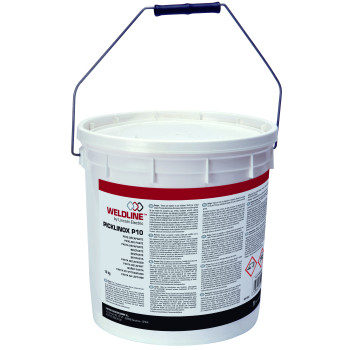
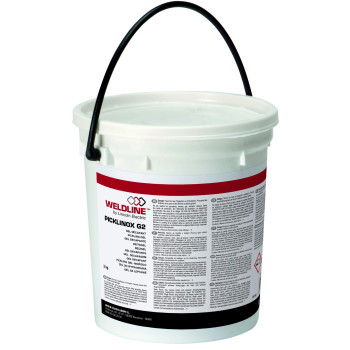
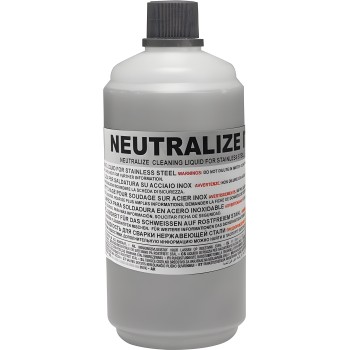
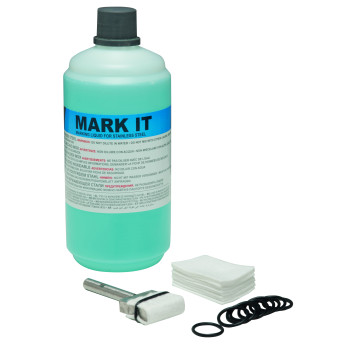
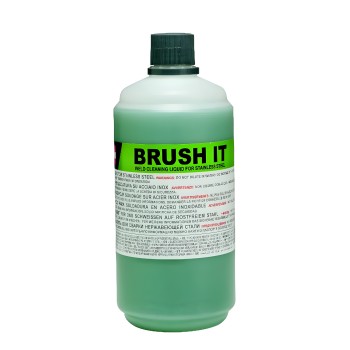
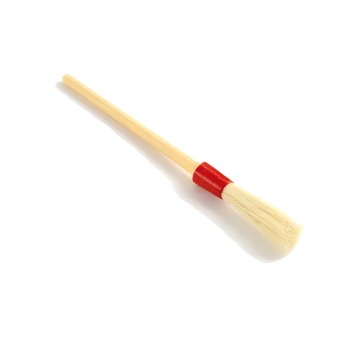
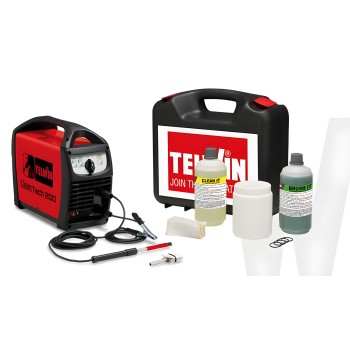
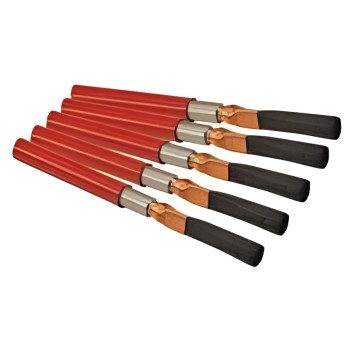
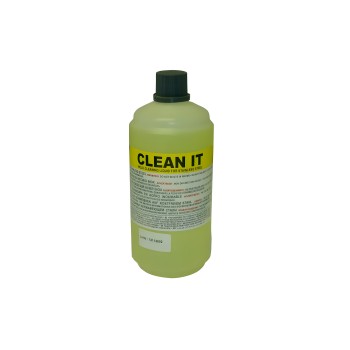
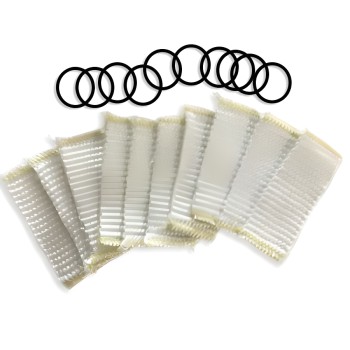
Treating stainless steel after welding is essential to restore its corrosion resistance. Pickling removes the oxides formed by heat, and stainless steel passivation regenerates the protective layer. Discover our pickling and passivation products for clean and durable stainless steel welds.
Why treat stainless steel after welding?
The corrosion resistance of stainless steel comes from a thin chromium oxide layer on the surface. Welding locally destroys this layer and leaves coloured oxides (heat tints) around the weld bead. Without treatment, these areas become susceptible to corrosion. Stainless steel weld passivation restores the natural protection of the metal and preserves the durability of the assembly.
Stainless steel pickling
Pickling is the first step: it removes the oxides and heat tints created by the welding heat. Carried out with a stainless steel pickling agent (often a gel or acid bath), it deep-cleans the surface. Pickling restores the uniform appearance of stainless steel and prepares the surface for passivation. It is a key step for visible and exposed welds.
Stainless steel passivation
After pickling comes stainless steel passivation. This treatment, generally based on a suitable acid, regenerates the passive chromium oxide layer that protects stainless steel from corrosion. Passivating stainless steel is essential for parts exposed to moisture, splatter or aggressive environments. This step is what guarantees the long-term durability of the weld.
Mechanical or chemical pickling?
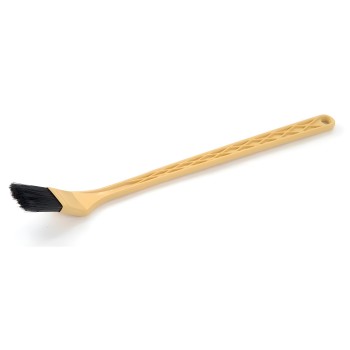
There are two complementary approaches. Mechanical pickling (brushing with a dedicated stainless steel brush, grinding) removes oxides by abrasion. Chemical pickling, using a stainless steel passivation acid, acts in depth and treats the heat tints that brushing leaves behind. For an optimal result, mechanical cleaning and chemical treatment are often combined.
Safety instructions
Pickling and passivation products are acids: they require strict precautions. Wear gloves resistant to chemicals, eye protection, and work in a well-ventilated area. Follow the application times and rinse thoroughly after treatment. Always read the product instructions before use.
For which stainless steels?
Stainless steel treatment concerns all welded grades exposed to corrosion. It is particularly important for food-grade, sanitary or outdoor parts. A stainless steel rod of the appropriate grade and careful welding limit oxides, but pickling and passivation remain necessary for complete protection.
Pickling by gel or by bath
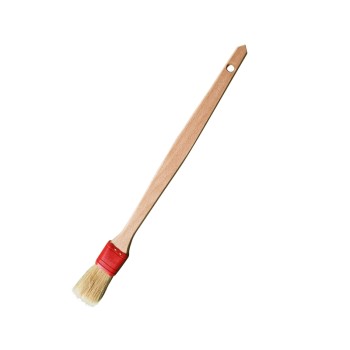
Stainless steel pickling is carried out in two ways depending on the parts. Pickling gel is applied with a brush to the weld bead and its surroundings: convenient for localised welds and large parts. A pickling bath, in which the part is immersed, is suitable for small elements treated in series. In both cases, the stainless steel pickling agent acts chemically on the oxides; the application time must be respected and then rinsed thoroughly with clean water.
When to treat stainless steel welds
Any stainless steel assembly exposed to corrosion deserves post-weld treatment, but certain applications make it indispensable: food-grade parts, sanitary equipment, outdoor fixtures or humid and aggressive environments. The more severe the exposure, the more critical stainless steel weld passivation becomes. Careful welding with a suitable stainless steel rod limits oxides, but does not eliminate the need for pickling and passivation: these steps remain the guarantee of long-term corrosion resistance.
A simple action that extends service life
Considering stainless steel treatment as an optional step is a common mistake. An untreated stainless steel weld corrodes precisely where it was heated, defeating the very purpose of having chosen stainless steel. A few minutes of pickling and stainless steel passivation considerably extend the service life of the work. It is a simple, low-cost action that makes the difference between a lasting result and one that deteriorates prematurely.
Our recommendation
For durable stainless steel welds, never neglect post-weld treatment: pickle to remove oxides, then passivate to regenerate the protective layer. Follow safety guidelines, as these products are acids. Browse our selection of pickling and stainless steel passivation products to protect your assemblies.
Frequently asked questions
Why passivate stainless steel after welding?
Because welding locally destroys the chromium oxide layer that protects stainless steel from corrosion and leaves coloured oxides. Passivation regenerates this protective layer and preserves the corrosion resistance and durability of the assembly.
What is the difference between pickling and passivation of stainless steel?
Pickling removes the oxides and heat tints created by the welding heat. Passivation, which follows, regenerates the passive chromium oxide layer. Both steps are complementary for complete protection.
Can stainless steel be pickled mechanically?
Yes, by brushing with a dedicated stainless steel brush or by grinding, which removes oxides by abrasion. However, chemical pickling treats the heat tint colours in depth that brushing leaves behind. The two methods are often combined for an optimal result.
Are stainless steel passivation products dangerous?
These are acids that require strict precautions: chemical-resistant gloves, eye protection, working in a well-ventilated area, respecting application times and rinsing thoroughly. Always read the product instructions before use.
What product should be used to passivate stainless steel?
To passivate stainless steel, use a passivation product suitable for stainless steel, often based on specific acids. Always follow the safety, rinsing and neutralisation instructions.
How to passivate stainless steel?
Passivating stainless steel involves cleaning, applying the appropriate product, allowing it to act and then rinsing thoroughly. The surface must be degreased and free of oxides before treatment.
What is the passivation time for stainless steel?
The passivation time depends on the product, the stainless steel grade and the surface condition. The manufacturer's instructions must be followed, as too short or too long a time reduces effectiveness.


 Italy
Italy
 Netherlands
 Croatia
 Denmark
 Finland
 Greece
 Ireland
 Portugal
 Sweden
 Norway
 Bulgaria
 Estonia
 Latvia
 Lithuania
 Poland
 Czech Republic
 Romania
 Slovakia
 Slovenia
 Hungary
 Spain
Spain



 2-year warranty